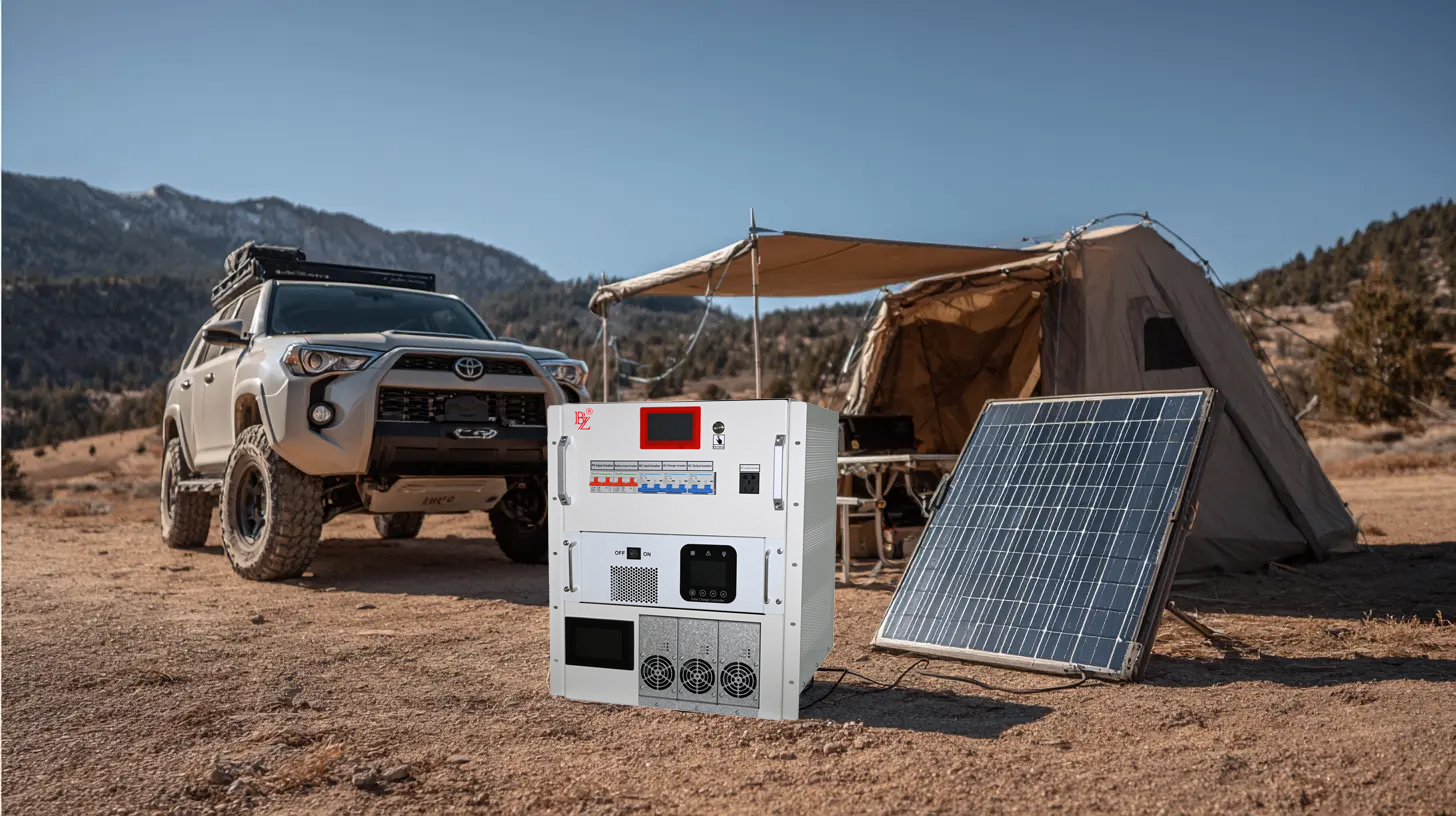
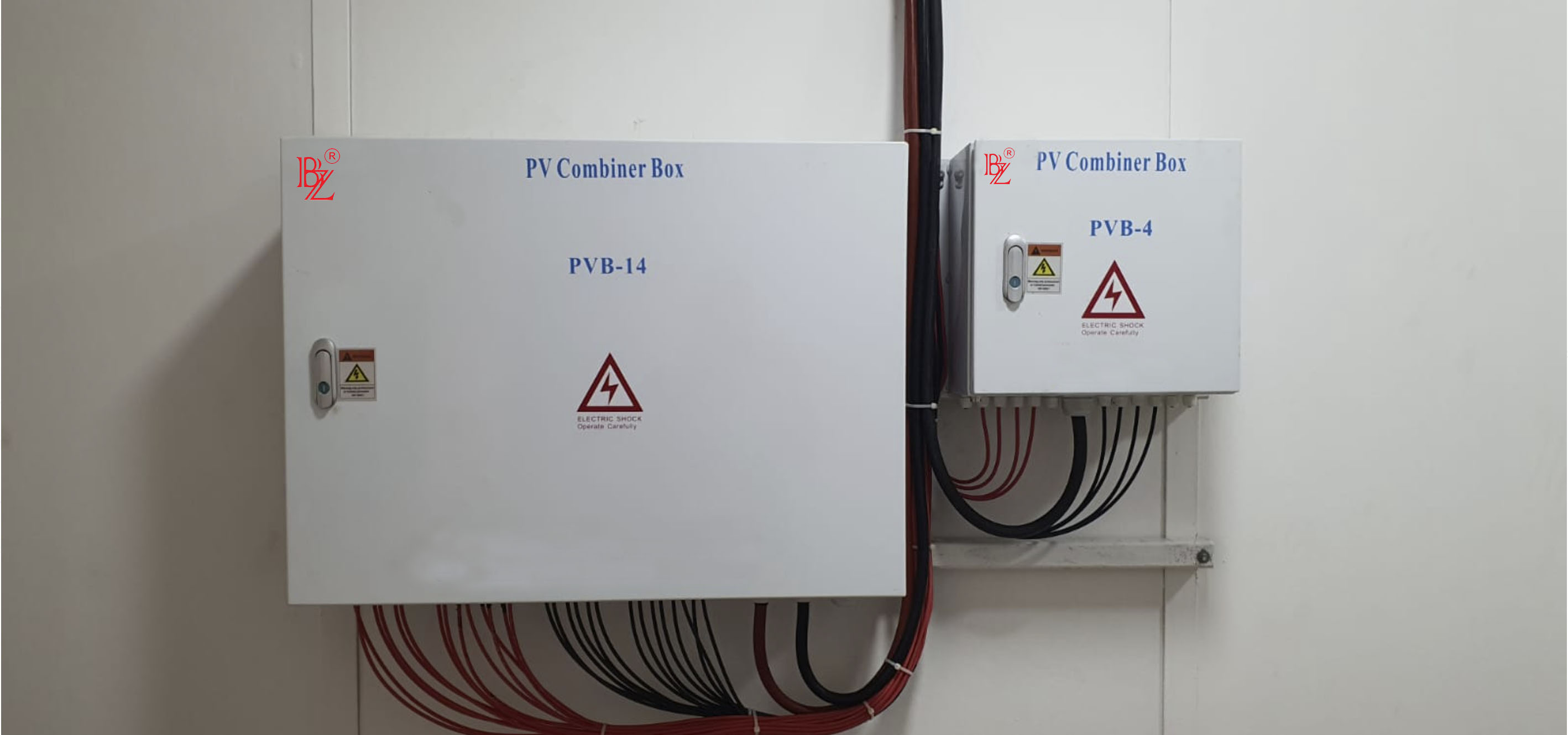
When it comes to achieving energy independence, Solar Charger Inverters have really become a crucial piece of the puzzle. I mean, according to the International Energy Agency, solar energy could actually cover over a quarter of the world's power needs by 2030—that’s pretty significant and shows just how important good energy conversion tech is, right? Here at Bangzhao Electric Co., Ltd., we've spent the last ten years working on advanced solutions like lithium battery storage and Pure Sine Wave Inverters. These are vital if you're serious about harnessing solar power effectively. As more folks and businesses jump into renewable energy, understanding how Solar Charger Inverters work is more important than ever— whether you’re home or running a company. With the right inverter in place, you can really maximize how much energy you capture and store, helping to build a more sustainable, independent energy future. It’s exciting stuff, honestly!
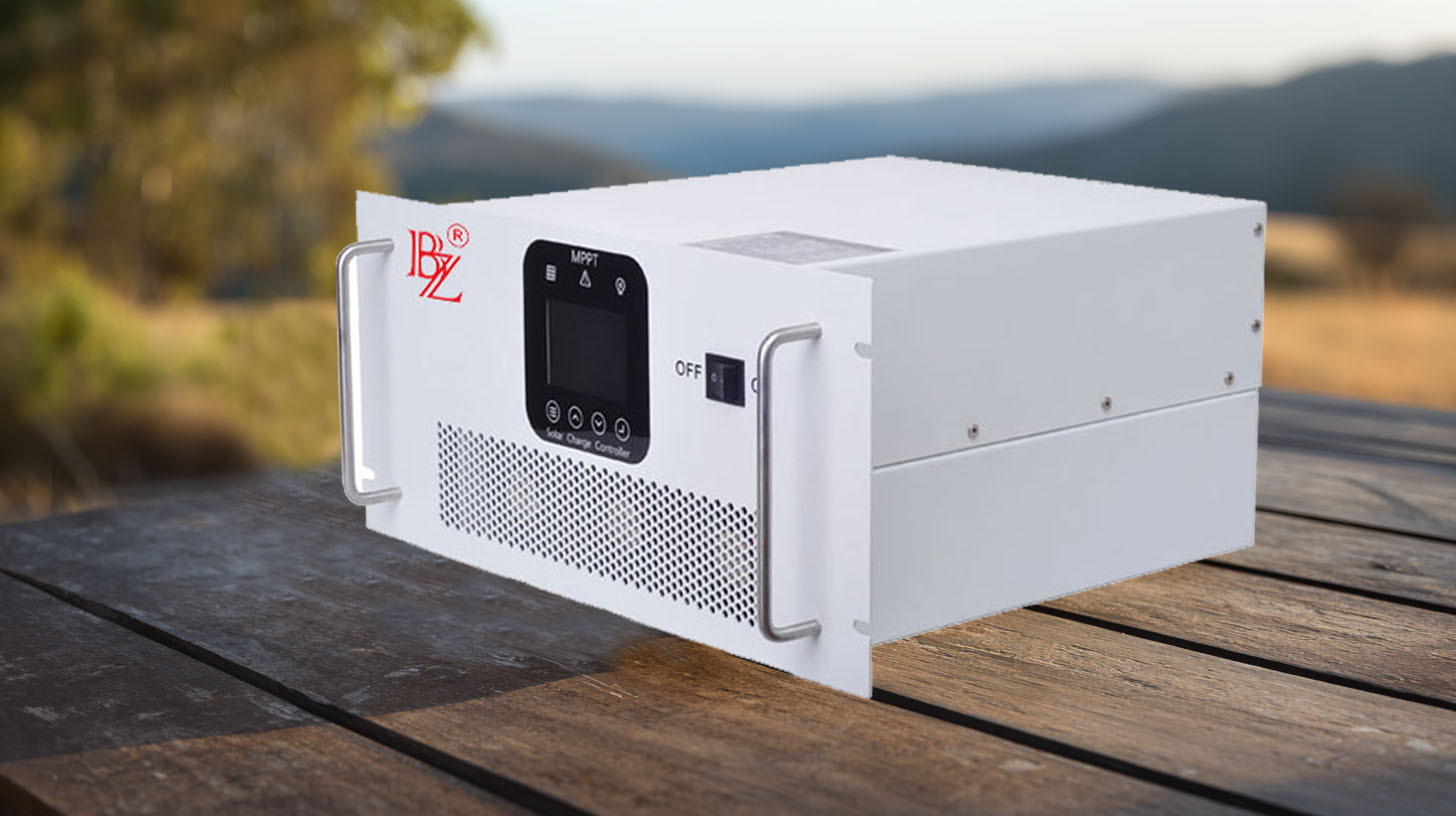
Understanding Solar Charger Inverters: Key Technologies and Features
Solar charger inverters are pretty much essential if you're aiming for energy independence, especially now with the world’s appetite for electricity just keeps growing. Honestly, taking the time to understand the key tech and features of these inverters can really help you get the most out of them. It’s pretty clear that the market for Solar Controllers is set to expand a lot in the coming years, and this just goes to show how innovations—like new power semiconductor devices—are really shaping the future of renewable energy. A lot of companies are jumping on these advancements to boost efficiency and performance.
When you're choosing a solar charger inverter, a couple of things to keep in mind are efficiency ratings and whether it plays nicely with your existing solar setup. Recently, micro-inverters have become quite popular because they handle solar energy conversion right at the panel level. This means more flexibility and potentially better energy output. The micro-inverter scene is booming, especially for homes and small businesses looking to make the most out of their solar systems.
Tip: If you’ve got shaded panels or uneven sunlight exposure, going for micro-inverters can really help boost your overall energy harvest.
As the industry keeps evolving, staying in the loop about new tech—like high-voltage integration or smarter power optimization—becomes really important if you’re thinking about investing in solar. Keep an eye out for those innovations; they could make a big difference in how much energy you get and how efficiently your system runs.
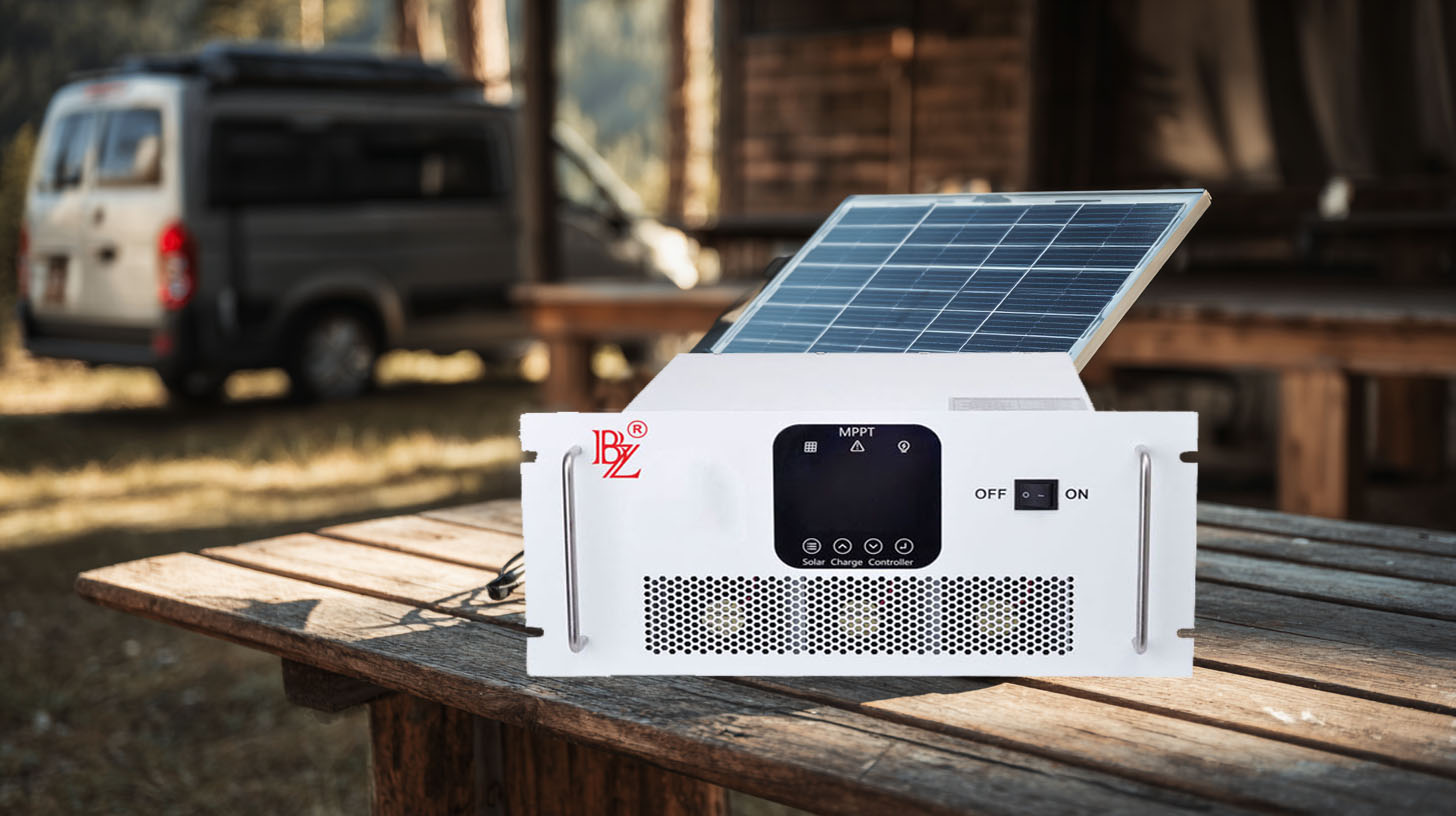
The Economic Impact of Solar Inverter Efficiency: Cost Savings and Return on Investment
You know, when it comes to solar energy systems, the efficiency of those Solar Inverters really makes a big difference. Basically, a more efficient inverter can turn a larger chunk of sunlight into usable electricity, which means less waste and more juice for your home or business. That translates to saving money in the long run — nobody’s complaining about lower energy bills! Plus, by investing in high-quality, efficient inverters, you’re not just saving cash now, but you're also helping your solar system last longer. It’s a win-win if you’re thinking about the big picture financially.
And let’s not forget about the ROI — the return on investment — because it can actually be pretty impressive. Sure, these top-tier inverters might cost a bit more upfront, but since they're producing more energy, you’ll see those costs start to pay off faster, especially as energy prices keep climbing. Over time, those savings add up, making it a smart move financially. For folks looking to be a bit more energy-independent, or just wanting to get the most out of their solar setup, understanding how efficient your inverter is becomes more than just a green thing — it’s a practical, money-wise decision.
Unlock Your Energy Independence: Solar Charger Inverters Efficiency and Cost Savings
Comparative Analysis of Solar Inverter Types: String, Central, and Microinverters
If you're really serious about gaining energy independence with solar power, it’s super important to understand the different types of solar inverters out there. Basically, you’ve got three main kinds: string inverters, central inverters, and microinverters. For most homes with pretty consistent sunlight, string inverters are the go-to—they’re the most popular, mainly because they're budget-friendly. In fact, according to the Solar Energy Industries Association (SEIA), they make up nearly 60% of the market. On the flip side, if you're dealing with larger setups—like big solar farms—central inverters are a solid choice. They’re super efficient but not as flexible. Microinverters, though, are pretty neat—they let each panel optimize its own energy production, which can be a real lifesaver if your yard has parts that get more sun than others.
Pro tip: When you're picking an inverter, think about how your roof or site is laid out, and how much shading you might have—this can really help boost your overall energy output.
Bangzhao Electric Co., Ltd. has been leading the charge in energy solutions for over ten years. They offer high-quality gear like bi-directional energy storage units and pure sine wave inverters. They really get how crucial it is to pick the right inverter system, especially with tech evolving so fast. Some studies show that using microinverters can bump up your energy collection by around 10 to 20 percent—definitely worth considering if you’re into making the most of your solar setup.
Another tip: Take a good look at your current and future energy needs before settling on an inverter. That way, you won’t just be happy now but also down the road when you might want to expand or tweak your system.
Maximizing Energy Independence: Tips for Choosing the Right Solar Charger Inverter
When you're trying to go completely off-grid with solar power, picking the right solar charger inverter is super important. The right inverter doesn’t just boost how efficiently your solar panels turn sunlight into usable energy—it also makes sure your gadgets get the power they need without any hassle. So, here are a few tips to help you pick the best inverter for your setup.
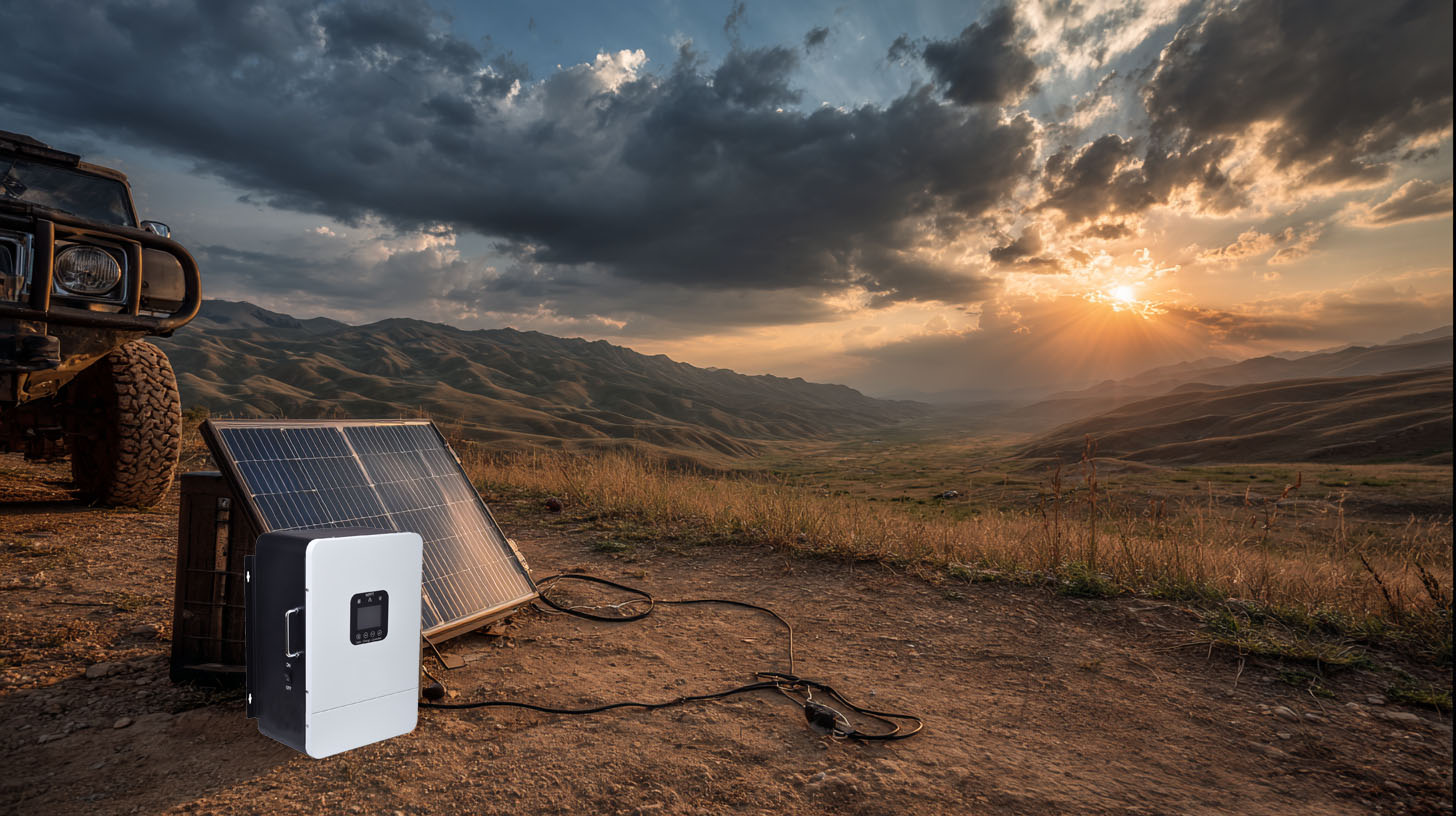
First off, take a close look at the inverter's output capacity. It’s pretty much key to match it with your daily energy needs. Do some quick math on how much power you usually use each day, then pick an inverter that can handle that — and maybe a bit more, just in case you add some new gadgets down the line. Also, go for models with high efficiency ratings; trust me, that’ll mean more energy saved and less waste.
Another thing to keep in mind is the inverter’s features. Look for ones with built-in protections against overloads, overheating, and short circuits—these will help keep your investment safe. If you can find something with smart tech, like remote monitoring or adjustable charging settings, that’s definitely a plus. Putting some thought into choosing the right inverter now will go a long way as you work toward becoming truly energy independent.
Industry Trends: The Future of Solar Inverter Technology in Renewable Energy
Looking ahead, it’s pretty clear that solar inverter tech is about to go through some major changes. With new improvements in efficiency and how well they work with other systems, things are looking up. BloombergNEF projects that by 2026, the global market for solar inverters could hit around $11 billion—that’s a big jump, growing roughly 7% every year. Most of this growth is thanks to more and more folks installing solar panels at home, plus a growing desire for energy independence. These days, more people are leaning toward high-performance inverters like microinverters and power optimizers because they really boost energy output compared to the old-school inverters we used before.
Plus, there's a real buzz around smart tech being integrated into these inverters. The International Renewable Energy Agency (IRENA) predicts that by 2025, over half of all inverters shipped worldwide will actually be smart inverters. And it makes sense—these devices don’t just generate power; they also help keep the grid stable and can connect with other smart gadgets. That means users can keep an eye on their energy use and even control it remotely. As rules and policies around renewable energy keep evolving and encouraging more adoption, the future of solar inverters looks pretty bright. We’re talking better efficiency, more reliability, and easier access for everyone wanting to take control of their energy use and go green.
Best Practices for Maintenance and Troubleshooting of Solar Charger Inverters
Keeping your solar charger inverters in good shape is pretty much essential if you want them to work well and last a long time. From what I’ve read, a well-maintained inverter can boost efficiency by as much as 30% over the years—that’s a pretty big deal (National Renewable Energy Laboratory, 2022). It's a good idea to regularly check on things like fans, capacitors, and wiring to catch any issues before they turn into bigger problems that could cause power losses. Also, giving the inverter a quick clean and making sure it’s got enough ventilation helps prevent overheating, which can really cut down on its lifespan and performance.
Troubleshooting everyday problems is also a big part of staying energy independent. Industry reports show that more than half of inverter failures come down to issues like communication errors, wiring hiccups, or incompatible parts (Solar Energy Industries Association, 2023). Keeping up with software updates and keeping an eye on system performance can help spot problems early on. It’s smart to keep a log of any weird behavior and tweak settings as needed—that way, your system stays efficient and reliable. If you follow these simple tips, you'll get the most out of your solar setup and do your part for a greener future.
FAQS
: The three main types of solar inverters are string inverters, central inverters, and microinverters.
String inverters are most suitable for residential systems, especially those with minimal shading, and they account for almost 60% of the market share due to their cost-effectiveness.
Microinverters offer individual optimization for each solar panel, making them advantageous for installations with varying sunlight exposure, and can increase energy harvest by 10% to 20%.
The solar inverter market is expected to reach $10.95 billion by 2026, growing at a CAGR of 7.26%, driven by increased residential solar installations and a demand for energy independence.
Smart inverters help optimize power generation, support grid stability, and enable communication with other smart devices, allowing users to monitor and manage their energy consumption effectively.
Users can maintain solar inverters by regularly checking components like fans and connections, cleaning surfaces, ensuring proper ventilation, and troubleshooting common issues.
Over 50% of inverter failures are attributed to communication problems, wiring issues, or incompatible components.
Regular software updates can help identify potential problems early and ensure the system remains efficient and resilient.
Assessing energy needs and future expansion plans is crucial to ensure long-term satisfaction and efficiency with the chosen inverter type.
Keeping a log of irregularities can help users adjust settings based on findings to maximize the efficiency and longevity of their solar energy systems.
Conclusion
If you're looking to become more energy independent, understanding how Solar Charger Inverters work is super important — it can really help you get the most out of your system and save some cash along the way. This guide walks you through the main technologies and features of solar inverters, along with how they can impact your wallet, especially when it comes to making a solid investment. We’ll compare different types—like string, central, and microinverters—so you can pick what's best suited for your energy needs without the guesswork.
Plus, since solar tech is always evolving, staying in the loop about the latest trends in inverter tech can really boost your energy independence. The guide also shares handy tips for choosing the right Solar Charger Inverter and covers some best practices for maintenance and troubleshooting. That way, you can get your solar system running smoothly and keep it performing well over the long haul. Here at Bangzhao Electric Co., Ltd., we’re all about providing top-notch energy storage and inverter solutions, helping you harness and manage your energy more effectively. Think of us as your go-to for making solar power work for you — easier and smarter.”