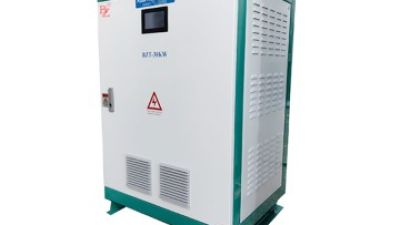
Picking a trustworthy supplier for your Power Frequency Converter is really key to making your project work out smoothly. There are tons of suppliers in China, but honestly, not all of them meet the quality standards you’d want. You might come across some that offer super cheap prices, but sometimes, that can come at a cost—the quality might be pretty questionable. Some suppliers are more about pushing volume than ensuring top-notch quality, so it’s definitely something to watch out for.
When you're checking out your options, it’s a good idea to look at their experience and what other customers are saying. Take Delta Electronics, for example—they’ve got a solid reputation. Their Touchscreen Digital Variable Frequency Ultra-Low Frequency Generator is pretty well-known and speaks volumes about their commitment to quality. But even the most reputable guys can have gaps in their product range, so doing your homework is really important — don’t rush into anything.
Trust your instincts here, too. If something sounds a little too good to be true, it probably is. Dig a little deeper and ask questions. Clear communication isn’t just nice to have—it’s essential. Make sure the supplier actually listens to your needs, so down the line, there aren’t any misunderstandings. In the end, with a bit of research and paying attention to details, you’ll find a Power Frequency Converter supplier that fits just right with what you're after.
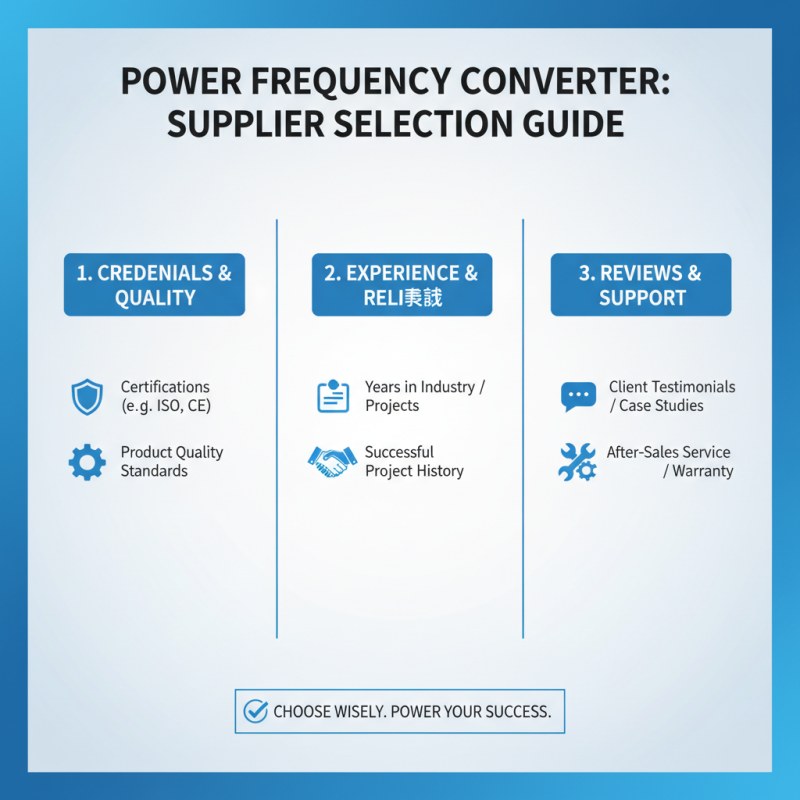
Selecting a reliable supplier for Power Frequency Converters is crucial. The credibility of suppliers can vary significantly. It's vital to assess their credentials, as this directly impacts the quality of the product you receive. Many companies claim expertise, yet only a few deliver. Look for certifications and industry experience. Check if they have a history of successful projects. A few testimonials can speak louder than claims.
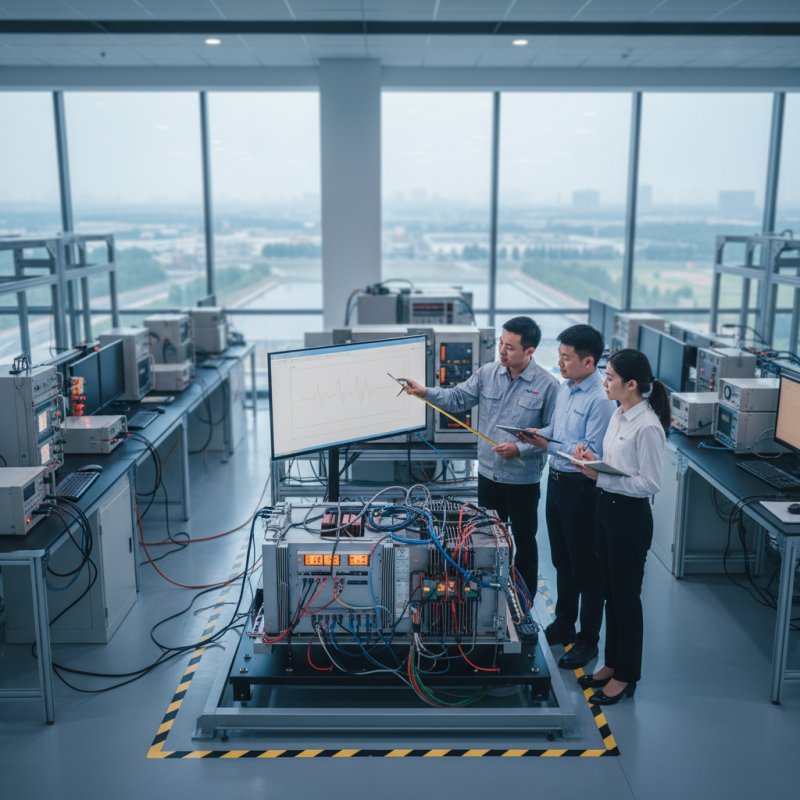
Visiting suppliers in person can be illuminating. This allows you to evaluate their operations and commitment. Some factories might look impressive but may not reflect true capabilities. Ask questions about their production processes. Are their quality control measures strong? This can reveal a lot about their reliability. Don't hesitate to request references or case studies. Reliable suppliers of power frequency converters will gladly share this information.
Payment terms can also indicate reliability. If a supplier demands full payment upfront, it may raise red flags. Trustworthy suppliers often provide flexible terms. This shows confidence in their product. However, take note of any overly aggressive sales tactics. A good supplier will prioritize your needs over making a quick sale. Reflecting on these factors can guide you toward making a more informed decision.
When selecting a custom power frequency converter, understanding specifications is crucial. The efficiency of these converters often hinges on their design, typically measured by power factor and total harmonic distortion (THD). Industry reports suggest that high-quality converters maintain a power factor above 0.95 and a THD below 5%. These metrics are vital for ensuring optimal energy use and minimal interference with other devices.
The specifications should also reflect compliance with international standards. The IEC 61000 series provides guidelines on electromagnetic compatibility. Converters meeting these standards help reduce noise and improve performance. It's important to ask suppliers about their adherence to these protocols. Relying solely on testimonials or vague claims can lead to unexpected failures. Be wary; not all documentation is reliable.
Another area to scrutinize is the thermal management design of the device. Effective cooling systems prolong equipment life and reduce the chances of overheating. Look for features that ensure proper airflow. Some converters fail to implement robust cooling, leading to efficiency losses. Understanding these specifications can prevent costly mistakes and enhance overall operational reliability.
| Specification | Recommended Standard | Critical Factors | Notes |
|---|---|---|---|
| Input Voltage | AC 220V/380V | Compatibility, Voltage Range | Verify against your local supply |
| Output Frequency | 50Hz / 60Hz | Precision, Stability | Check for required tolerance |
| Power Rating | 5kW - 1000kW | Load Handling, Efficiency | Consider future expansion needs |
| Efficiency | ≥ 95% | Operating Costs, Heat Generation | Higher efficiency saves costs |
| Cooling Mechanism | Air-cooled / Water-cooled | Environment, Space Considerations | Ensure adequate cooling setup |
| Protection Features | Overload, Short Circuit | Safety, Reliability | Check specific protection ratings |
| Warranty | 2 - 5 Years | Manufacturer Assurance | Understand warranty terms |
| Certifications | ISO, CE, UL | Quality Assurance | Verify validity of certifications |
| Technical Support | 24/7 Availability | Service Responsiveness | Check for support channels |
| User Reviews | Positive Feedback | Reputation, Trustworthiness | Research online feedback |
When evaluating the manufacturing capabilities of custom power frequency converter suppliers, it’s crucial to consider production scale and equipment. Look for factories that have modern machinery. A well-equipped facility often indicates better quality control. Check for certifications that demonstrate adherence to industry standards. This can give insight into their reliability.
Another key aspect is the supplier's workforce. Skilled workers contribute significantly to product quality. Observe their training programs and staff turnover rates. A stable team often leads to consistent results. Don’t ignore testing protocols. A supplier should demonstrate rigorous quality checks for each batch, ensuring performance standards.
Consider the supplier’s experience in delivering Staic Frequency Converters. This product requires specific expertise. Ask for case studies or client testimonials. It’s helpful to know how they’ve handled challenges in past projects. Sometimes, suppliers may overestimate their capabilities. Reflecting on past issues can reveal their resilience and adaptability.
When selecting a reliable custom power frequency converter supplier, analyzing certification and compliance is crucial. Industry standards set benchmarks for quality and safety. According to a 2023 market analysis by a leading research firm, over 70% of compliance issues arise from inadequate supplier certifications. This statistic highlights the importance of verifying a supplier's credentials.
Look for certifications such as ISO 9001 and CE marking. These indicate adherence to international quality management standards. Suppliers that don’t have proper certifications might compromise product quality. A lack of compliance may also lead to failures in critical applications. In fact, an industry report revealed that non-compliant products lead to a 20% increase in operational disruptions.
Evaluating a supplier’s compliance with industry regulations mitigates risks. However, only 40% of companies conduct thorough compliance checks. This oversight can have serious implications. Without proper due diligence, your project may face delays and added costs. It's essential to prioritize suppliers who demonstrate a strong commitment to regulatory adherence.
When selecting a reliable supplier for a custom power frequency converter, investigating their track record is crucial. According to a recent industry report, 65% of buyers prioritize supplier reliability based on previous performance. Assessing a supplier’s history is the first step. Look for evidence of successful projects. Check how long they have been in operation. Longevity often indicates stability.
Client testimonials also play a significant role. They offer insights into real-world experiences. Approximately 75% of customers rely on reviews before making decisions. Positive feedback can build trust. However, be cautious. Some testimonials can be misleading or overly positive. Always seek out detailed accounts from multiple sources.
This ensures a balanced view of the supplier's capabilities, especially regarding products like Static Frequency Converters.
Don't overlook potential issues. Some suppliers may claim higher quality than they deliver. Look for patterns in reviews. A few negative experiences can signal deeper problems. Ask for references and follow up with them. This step requires effort, but it pays off in the long run. Ensure you understand their service support too. A good warranty and support system can save you time and money. After all, reliability is more than just a number; it is about trust and proven results.
When selecting a supplier for custom power frequency converters in China, understanding pricing structures is crucial. Many suppliers use different models, making direct comparisons challenging. Some may offer lower upfront costs, but hidden fees can increase the total price. Others might have a higher initial price but provide better value through reliable support and quality materials.
Value propositions also vary widely among suppliers. Look for options that emphasize warranty terms, customer service, and post-purchase support. Some suppliers excel in quick deliveries but may cut corners on quality. It's essential to balance cost against these factors to ensure a wise investment. Engaging in clear discussions about pricing details can uncover potential issues. Reflecting on these aspects often leads to better decision-making. A decision made purely on price might lead to regrets later.
Choosing a reliable supplier for a Frequency And Voltage Converter requires careful consideration of after-sales support and warranty options. Ensure that the potential supplier clearly outlines their warranty terms. A good warranty indicates confidence in their products. It also protects your investment in case of unexpected failures.
Ask about the after-sales support provided. Some suppliers may promise great support but fail in execution. Confirm their response times and the process for handling issues. Clear communication is vital during this phase. It’s important to understand the support channels available, such as phone or email.
You might find some suppliers provide limited assistance, or their service hours are unclear. This can lead to frustration during critical moments. Reflecting on past experiences with other partners can help you make better choices. After all, having reliable after-sales support is crucial for smoothing out any operational hiccups.
Transforming power from a single-phase to a three-phase system has never been more efficient, thanks to advancements in static Digital Converter technology. These innovative devices utilize cutting-edge digital control methods to ensure precise power management and high performance. With an output harmonic distortion of less than or equal to 3%, users can expect cleaner power delivery, which is crucial for maintaining the longevity and efficiency of connected equipment.
Designed to cater to a diverse range of applications, these converters boast a power output capacity ranging from 3 to 200kW. This flexibility makes them ideal for various industries, whether for industrial machinery or for complex building infrastructures requiring consistent power quality. Furthermore, integrated protections prevent damage from overloads, short circuits, and fluctuations in voltage levels, ensuring safe and reliable operation. With these features, static digital converters not only enhance power transformation but also provide peace of mind for users, as they can rely on the device to safeguard their crucial operations against electrical disturbances.
: The service aims to connect users with various resources. It provides information and support.
You can access it online via the website or through an app. Make sure to have internet access.
Some features may require payment. Others are free. Check the website for details on pricing.
Resources include articles, guides, and forums. Users can find diverse topics that interest them.
Yes, users can engage with each other. Sharing experiences and advice is encouraged.
Absolutely! Sharing feedback helps improve the service. User input is valued and necessary.
If you experience problems, reach out for support. The team can assist with technical or content-related issues.
Yes, updates occur regularly to ensure relevance and accuracy. Information should reflect current trends.
Personalization options are available. Users can choose preferred content and areas of focus.
If you notice outdated content, report it. It’s important to keep information fresh and accurate.
When selecting a reliable supplier for custom Power Frequency Converters, it is crucial to assess various factors that ensure quality and compliance. Understanding the specifications and industry standards for Power Frequency Converters helps in making informed decisions. Additionally, evaluating the manufacturing capabilities of suppliers provides insight into their ability to deliver quality products tailored to specific needs.
Moreover, analyzing the certifications and compliance with industry regulations is essential in verifying the legitimacy of a supplier. Investigating their track record through client testimonials can offer further assurance of reliability. Price comparisons and value propositions among suppliers can help find the best deal, while understanding after-sales support and warranty options ensures continued satisfaction with the purchase. In summary, thorough research in these areas will lead to a more reliable choice when it comes to Power Frequency Converter suppliers.