When you're dealing with protecting sensitive electronic gear from the unpredictable forces of nature, picking the right Lightning Protection Combiner Box is pretty important. Did you know that lightning strikes the Earth roughly 100 times every second? That might sound crazy, but it can cause serious problems—like equipment getting damaged, data losing its mind, or costly downtime for your business. Here at Bangzhao Electric Co., Ltd., we've been trusted partners for over ten years, providing top-quality solutions in lithium battery storage, bi-directional energy systems, and all kinds of inverter tech. In this post, I’ll walk you through the key things to think about when choosing a Lightning Protection Combiner Box that's just right for your setup. The goal? Making sure your investments stay safe from those wild natural events that can really do some damage.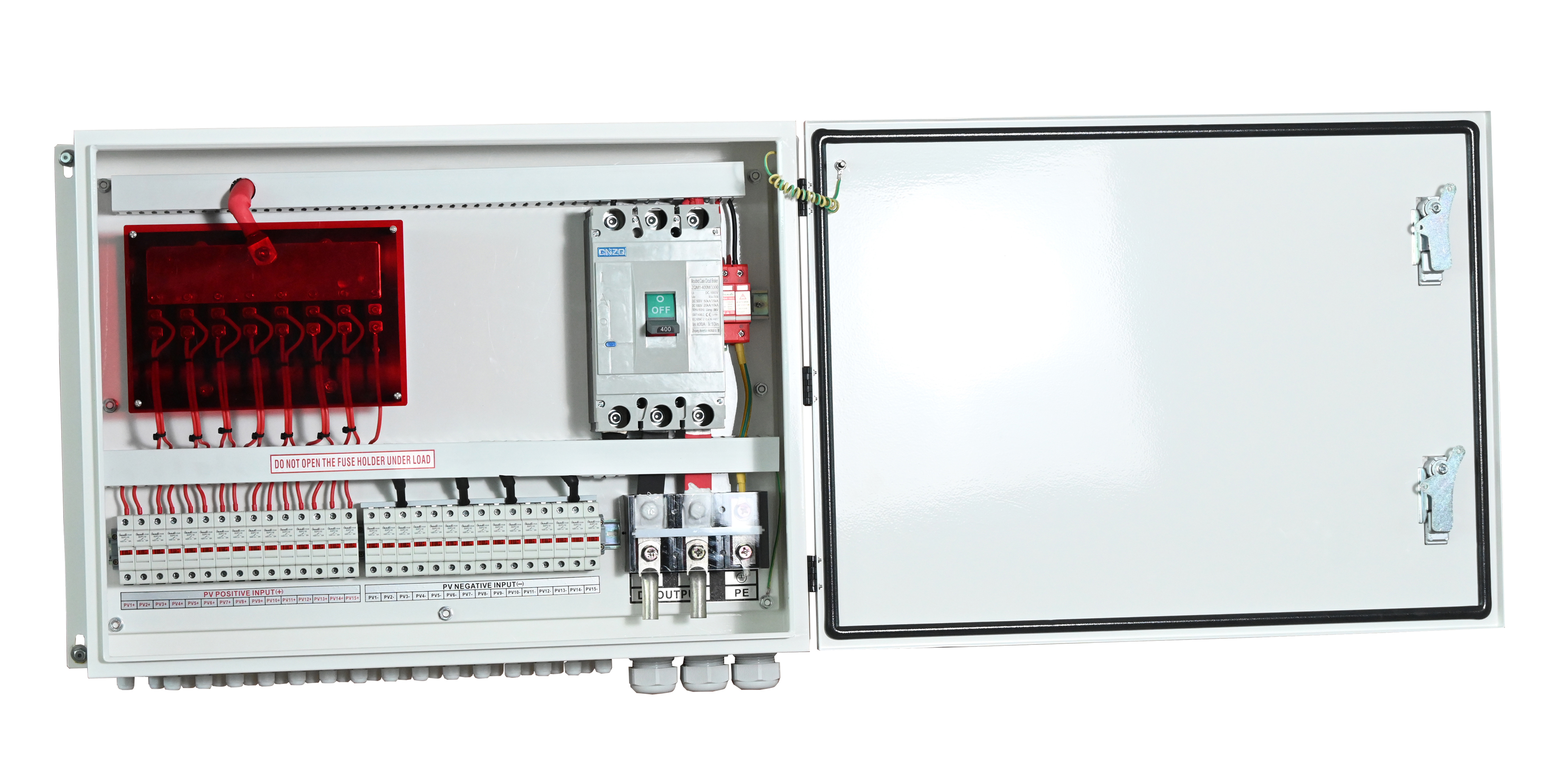
Understanding the Importance of Lightning Protection in Electrical Systems
Getting a good handle on lightning protection isn't just some technical detail—it's actually pretty crucial for keeping electrical systems safe, especially now with storms seeming to get more intense and frequent. Lightning strikes can trigger surges that — let’s be honest — can really mess up sensitive electronics, damage infrastructure, and even pose safety risks like fires. So, making sure you have solid lightning protection isn’t just about safety in the moment; it’s also about keeping power systems running smoothly and lasting longer.
Picking the right lightning protection combiner box? Yeah, that’s a big part of the puzzle. There are a bunch of different tech options out there, like fancy Surge Protectors and new monitoring gadgets, which really help cut down the risks of lightning strikes. For example, combiningSurge Arresters with devices that track how much energy is being dissipated—you know, like energy meters—can help keep the power flow steady and prevent outages. And with new tech like drone inspections for wind turbines, it’s clear that investing in trustworthy lightning protection isn’t just smart—it’s pretty much a must, especially with all these crazy storms these days.
Key Factors to Consider When Selecting a Lightning Protection Combiner Box
When you're choosing a lightning protection combiner box, there are a few key things you really want to keep in mind to make sure everything works smoothly and stays safe. First off, you’ve got to check if the box is the right fit for your specific setup. Did you know that, according to the National Fire Protection Association (NFPA), almost 30,000 fires happen each year because of lightning strikes? That really highlights how crucial a reliable lightning protection system is. So, it’s not just about the box working in theory — it needs to handle the actual lightning currents. Make sure it meets standards like IEC 62305, which tell you it can handle the surge forces you’re likely to see, not just under perfect conditions but in real storms too.
Another thing to think about is the environment where the box will be installed. It’s super important that the box’s ratings match the conditions it’ll face out there — like humidity, temperature swings, or exposure to corrosive stuff. A report from the Lightning Protection Institute pointed out that using the wrong rated boxes can spell disaster during storms, leading to expensive downtime for essential systems. For example, if your setup is outdoors and might even be submerged in water sometimes, an IP68-rated box is your best bet. On the flip side, if it’s indoors with less exposure, an IP54 might do just fine. Picking the right ratings and standards is really about making sure your lightning protection system is durable and dependable in the long run.
How to Choose the Right Lightning Protection Combiner Box for Your Needs
| Feature | Description | Importance Level |
| Material | The combiner box should be made of durable, weather-resistant materials. | High |
| Size | Ensure the box can accommodate all necessary connections and equipment. | Medium |
| IP Rating | Check the ingress protection rating to ensure suitability for outdoor use. | High |
| Mounting Options | Consider how the box will be mounted and the space available. | Medium |
| Cost | Evaluate the budget and find a balance between quality and price. | High |
| Certification | Look for compliance with national/international standards. | High |
Evaluating Different Types of Lightning Protection Combiner Boxes
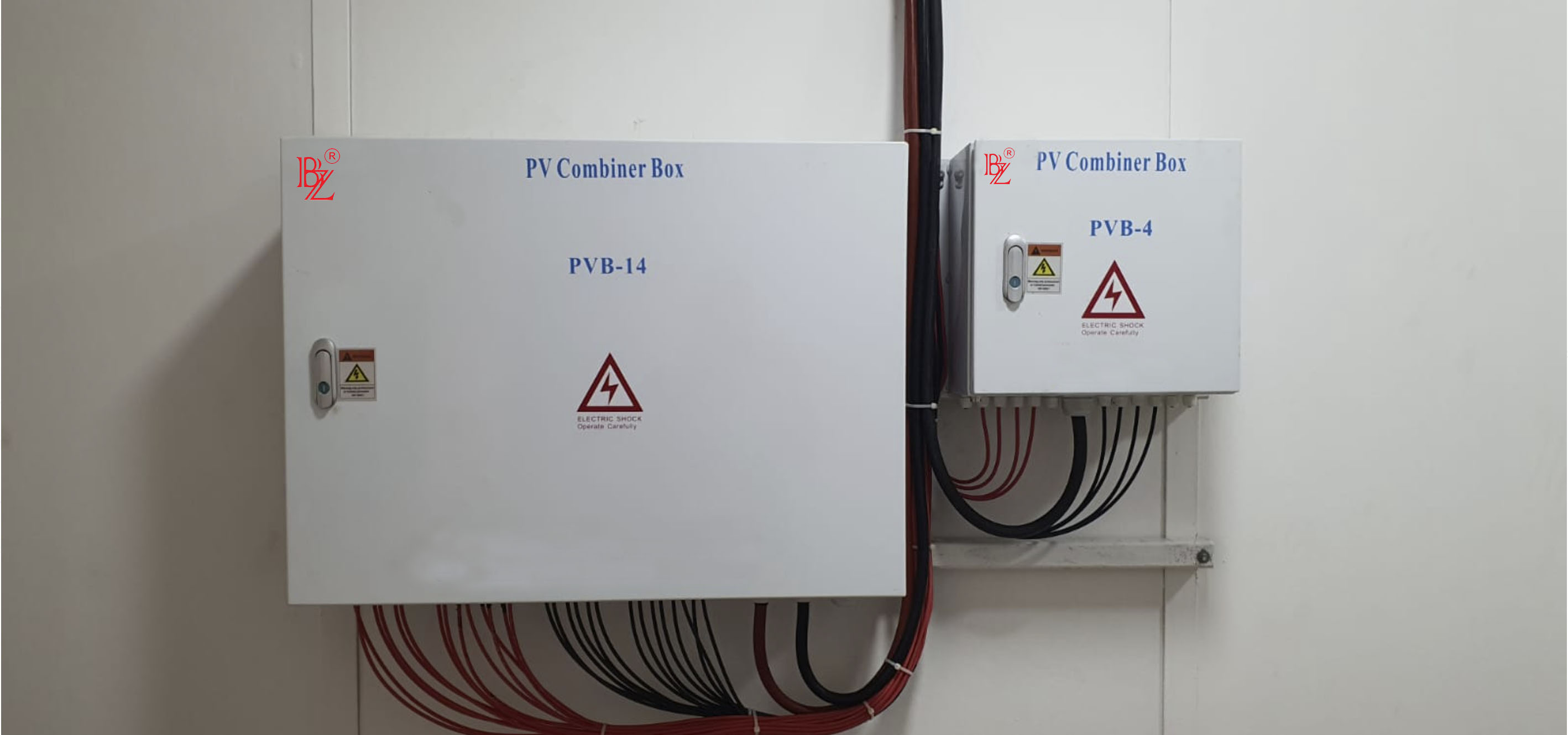 When you're shopping around for lightning protection combiner boxes, it’s super important to keep a few key things in mind to make sure you’re getting something that really works for your setup. First off, look for boxes made with solid, durable materials that can stand up to tough weather—storms, rain, you name it. And don’t forget to check if they have good surge protection because, honestly, that’s what keeps your whole electrical system safe when lightning strikes. Having that peace of mind during storm season is a big plus, right?
Here’s a quick tip—start by figuring out the voltage and current your system needs. You wanna be sure that the combiner box can handle the load without risking any failures. Also, think about where you live. If your area has crazy weather, go for a model with solid insulation and waterproof ratings—it’ll make a big difference. And if you’re thinking about the future, try to find a box that can be expanded later on. That way, upgrading later doesn’t mean ripping out everything and starting from scratch.
Another thing to keep in mind: some of these boxes come with cool extra features, like smart monitoring systems that can alert you if something’s off before it turns into a big problem. So, don’t just focus on the basics—look into what each model offers beyond that. It could really help your system last longer and stay reliable when you need it most.
Comparative Analysis of Performance Metrics for Lightning Protection Solutions
When you're thinking about lightning protection options, it’s really important to compare their performance features. Picking the right lightning protection combiner box isn’t just about one or two specs—it’s about finding the right fit for your particular needs. Things like voltage ratings, how much surge current they can handle, and how easy they are to install all matter quite a bit when it comes to how well these systems do their job. Modern lightning protection devices, unlike the old-school ones, come with smarter features that boost safety and reliable performance, especially during nasty storms. It’s a good idea to see how these specs match up with what you need, whether it’s for a home, a business, or even an industrial setup.
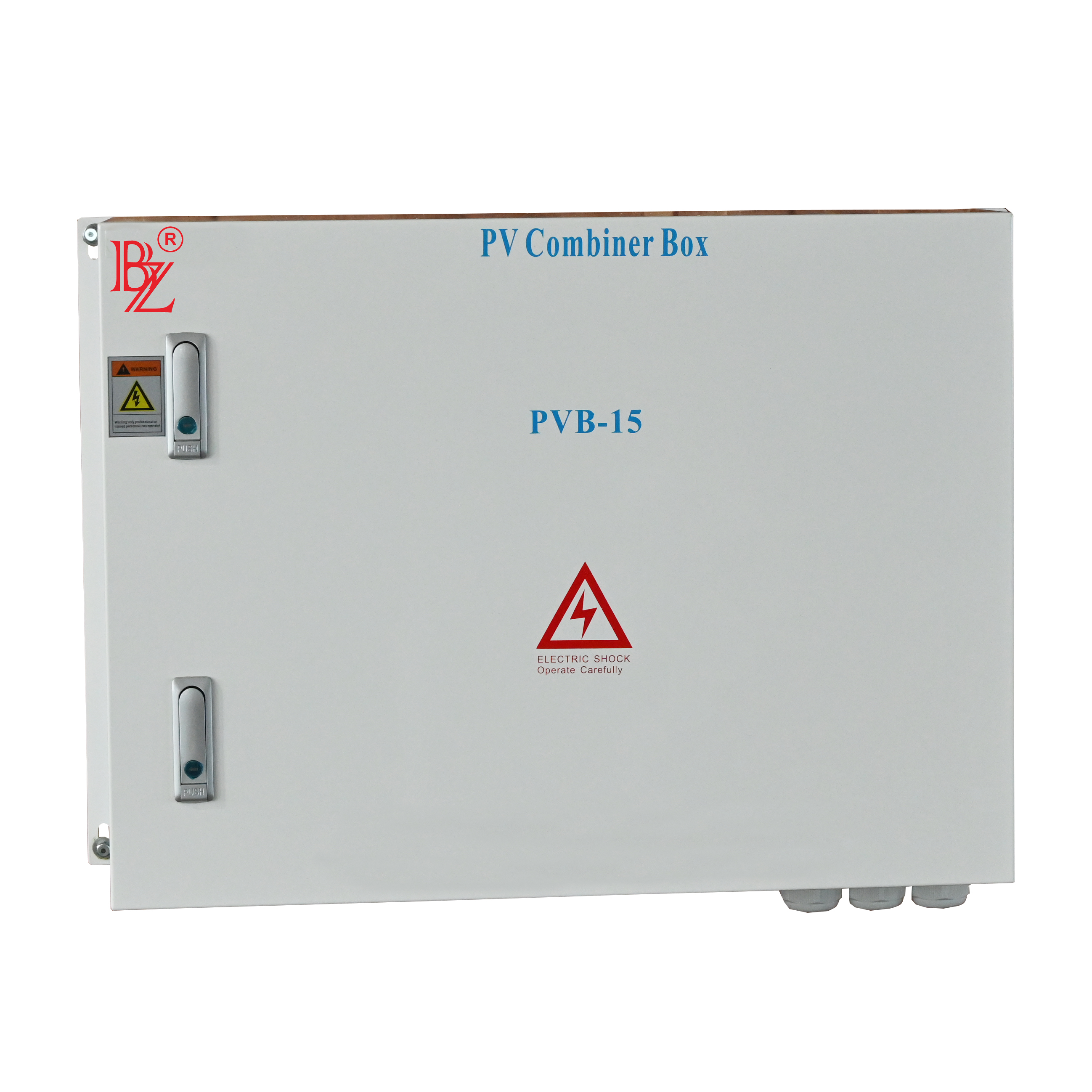
Here at Bangzhao Electric Co., Ltd., we totally get how vital it is to have solid protection systems integrated into your energy setup. With over ten years of experience in providing top-notch lithium battery storage and bi-directional energy solutions, we’re also all about making sure that your whole energy system—like your inverters—is protected from lightning strikes. Investing in a high-quality lightning protection combiner box not only keeps your equipment safe but also helps your energy systems last longer and perform better. By taking the time to thoroughly evaluate these systems, you’ll be in a much better position to make smart, informed choices that improve both safety and efficiency in managing your power.
Industry Standards and Regulations on Lightning Protection Systems
When you're choosing a lightning protection combiner box, it's really important to be aware of the industry standards and regulations that govern lightning protection systems. Following these rules isn't just about staying compliant — it actually helps ensure your system's safety and reliability, and can even help you avoid legal headaches down the line. For example, it’s a good idea to check out established guidelines like BS EN 62305 when you're designing and installing your lightning protection setup. And don’t forget—keeping up with updates in regulations, like those recent changes in the 18th Edition of the IET Wiring Regulations, really takes safety to the next level.
Here's a little tip: make sure your lightning protection system fits well with the rest of your infrastructure. It's a good habit to regularly evaluate and test your setup to make sure you're on top of the latest standards. If you're feeling a bit unsure, reaching out to compliance experts can really make a difference—they can help you navigate the often tricky regulatory landscape.
Plus, with the lightning protection tech market growing, it just underscores how vital it is to stick to these standards. The market’s expected to hit a whopping $1.792 billion by 2035, which means understanding and following the rules isn't just for safety — it’s pretty much essential for manufacturers and operators alike. Staying in the know about industry trends and new regulations will not only boost how effective your lightning protection systems are but also contribute to safer, more reliable installations overall.
Here’s a little more advice: get involved in training sessions or workshops that focus on lightning protection standards. Working with industry pros and exchanging best practices can help you stay ahead of the curve when it comes to compliance and safety.
How to Choose the Right Lightning Protection Combiner Box for Your Needs
This chart illustrates the surge protection capacity of various lightning protection combiner boxes. Choosing the right one depends on the specific protection needs based on their rated capacity (in kA).
Common Misconceptions Regarding Lightning Protection and Its Necessity
When it comes to lightning protection, there's a lot of common misconceptions that can leave you underprotected. For example, many folks believe you only need to worry about lightning in areas that get slammed with thunderstorms all the time. But the truth is, lightning can strike pretty much anywhere. The National Weather Service says there are about 20 million cloud-to-ground strikes in the U.S. each year—that's billions in property damage. That really highlights how important it is to have solid, comprehensive safety measures in place. Picking the right lightning protection combiner box isn’t just a spot check; it has to match your specific setup and needs.
A lot of people also think that all lightning protection systems are basically the same. But that’s not the case. The National Fire Protection Association points out that if your system's installed improperly, it can actually be just as dangerous as not having any protection at all. So, choosing the right combiner box means understanding your system’s compatibility, the environment you're in, and your particular installation requirements. A good, well-chosen combiner box doesn’t just boost the efficiency of your storm protection—it also helps guard your equipment against surges and faults, keeping everything safer overall. Doing your homework, looking at industry data, and listening to experts can really make a difference in lowering the risks that come with lightning strikes.
Maximizing Solar Efficiency: Insights from Industry Reports on the Importance of Solar PV Combiner Boxes with SPD
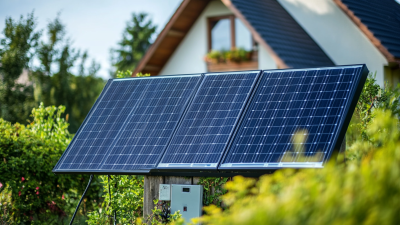
In the ever-evolving field of solar energy, the significance of using a Solar PV combiner box with Surge Protective Device (SPD) cannot be overstated. This essential component serves as a central hub for managing the currents from multiple photovoltaic modules, significantly optimizing the efficiency of the solar power system. With its IP65 protection level, this combiner box is designed to withstand harsh environmental conditions, ensuring that your solar setup remains operational regardless of weather challenges. The effective waterproof and dustproof features safeguard the integrity of connections, enhancing reliability and performance.
One of the standout benefits of incorporating a Solar PV combiner box with SPD is its exceptional capability in lightning protection. Featuring a built-in lightning protection module, it is engineered to endure both direct lightning strikes and induced lightning impacts. This robust protection mechanism is crucial for maintaining the safety and longevity of the entire solar system. By minimizing potential damage caused by electrical surges, the combiner box plays a pivotal role in preserving not just equipment, but also the return on investment in renewable energy solutions.
Furthermore, the design of the combiner box reduces the number of connecting wires, leading to lower line losses and improved overall system efficiency. This streamlined approach not only simplifies installation but also ensures that more of the energy generated by the solar panels is effectively utilized. As the solar industry continues to grow, investing in such vital components will be integral for maximizing solar efficiency and driving sustainable energy solutions forward.
FAQS
: Key industry standards include BS EN 62305 and the updated 18th Edition of the IET Wiring Regulations, which ensure safety and reliability in lightning protection systems.
Compliance ensures the safety and reliability of systems, mitigates potential legal risks, and enhances overall protection against lightning strikes.
Yes, it is essential to regularly assess and test lightning protection systems to ensure compliance with the latest standards.
No, lightning can strike anywhere, and millions of strikes occur annually across various regions, highlighting the need for comprehensive protection measures.
No, improperly installed systems can be as dangerous as having no protection at all, making it crucial to choose the right system tailored to specific needs.
Factors include system compatibility, environmental conditions, and specific installation needs to ensure efficiency and safety.
Professionals can stay informed by participating in training, workshops, and collaborating with industry experts to share best practices.
The market is projected to reach $1.792 billion by 2035, emphasizing the importance of understanding compliance requirements.
A suitable combiner box improves storm protection efficiency and safeguards equipment against surges and faults, thereby ensuring greater safety.
Conclusion
These days, making sure your electrical systems are safe and reliable isn’t something to take lightly—especially when it comes to lightning protection. Picking the right Lightning Protection Combiner Box is super important because it plays a big role in shielding your setup from the crazy damage lightning can do. When you're choosing one, you wanna think about things like your environment, how big your system is, and whether it meets all the regulations. Getting to know the different types of boxes and what they’re capable of can really help you make a smarter choice.
At Bangzhao Electric Co., Ltd., we’re all about weaving solid lightning protection into our high-tech energy solutions. With our expertise in top-notch products—think lithium batteries and inverters—we’re here to help you pick out the best Lightning Protection Combiner Box that fits your needs perfectly. We aim to clear up some common misconceptions and stick to industry standards, so you can trust your system’s safety and performance. After all, we want you to feel confident, no matter how wild the weather gets.